

/
/
Detailing Training
Detailing Training
Master Automotive Detailing & Protection

1. What Is Exterior Cleaning?
Exterior cleaning is the professional process of safely cleaning and maintaining the outside surfaces of a vehicle, including paintwork, wheels, tires, glass, trim, and exterior plastics. It removes dirt, road grime, contaminants, and environmental deposits while preserving the vehicle’s original finish.
Why Is Exterior Cleaning Important?
.png)
-
Prevents paint damage and swirl marks
-
Removes harmful contaminants (dust, salt, iron, tar)
-
Maintains gloss and appearance
-
Prepares the vehicle for polishing, ceramic coating, or PPF
-
Extends the lifespan of paint, trim, and exterior surfaces
Proper exterior cleaning is the foundation of all detailing processes.
Exterior Cleaning Process
1. Pre-Wash:
-
Snow foam or pre-wash solution applied to loosen dirt
-
Reduces contact with paint and minimizes scratches
Products used for this Phase:


2. Safe Hand Wash:
-
Two-bucket method with professional shampoo and wash mitt
-
Correct washing techniques to avoid swirl marks
3. Wheel & Tire Cleaning:
-
Dedicated tools and products for wheels and tires
-
Removal of brake dust and road grime
Products used for this Phase:


4. Decontamination:
-
Chemical decontamination (iron & tar removal)
-
Mechanical decontamination (clay bar or clay towel)
Products used for this Phase:
5. Rinsing & Inspection:
-
Thorough rinsing of all exterior surfaces
-
Surface inspection before drying or correction
6. Safe Drying:
-
Microfiber drying towels and air blowers
-
Prevents water spots and micro-scratches
2.What Is Interior Cleaning?
.png)
Interior cleaning is the professional process of cleaning, restoring, and protecting all interior vehicle surfaces, including plastics, dashboard, upholstery, carpets, leather, trim, and interior glass. The goal is to remove dirt, stains, oils, bacteria, and odors while preserving the original materials.
Interior detailing focuses on hygiene, comfort, and material preservation, not just appearance.
Why Is Interior Cleaning Important?
.png)
-
Improves cabin hygiene and air quality
-
Removes bacteria, odors, and built-up grime
-
Preserves leather, plastics, and fabric surfaces
-
Prevents cracking, fading, and premature wear
-
Enhances driving comfort and vehicle value
Proper exterior cleaning is the foundation of all detailing processes.
Interior Cleaning Process
1. Inspection & Preparation:
-
Interior assessment and material identification
-
Removal of personal items and loose debris
2. Vacuuming:
-
Thorough vacuum of carpets, seats, floor mats, and crevices
-
Preparation for wet or chemical cleaning
3. Leather Cleaning & Care:
-
Gentle leather cleaning
-
Conditioning and protection to maintain softness and color
Products used for this Phase:


4. Protection & Finishing:
-
Application of interior protectants
-
Anti-static and UV protection finishes
Products used for this Phase:


5. Upholstery & Carpet Cleaning:
-
Fabric and carpet cleaning using proper techniques
-
Stain removal and odor control
6. Interior Glass Cleaning:
-
Streak-free cleaning of interior windows and mirrors
Products used for this Phase:

3. What Is Polishing?
.png)
Polishing is the professional process of correcting and refining a vehicle’s paint by removing surface defects such as swirl marks, light scratches, oxidation, and haze. It uses specialized machines, pads, and compounds to restore clarity, gloss, and depth to the paint while preserving the clear coat.
Polishing is a corrective process, not just cosmetic.
Why
Is
Polishing Important?
.png)
-
Removes paint defects and imperfections
-
Restores gloss, clarity, and color depth
-
Prepares paint for ceramic coating or PPF
-
Improves overall vehicle appearance and value
-
Ensures proper bonding of protection products
Incorrect polishing can permanently damage paint, making professional training essential.
Polishing Training Process & Steps
1. Inspection & Paint Assessment:
-
Evaluate paint condition and defect level
-
Measure paint thickness and identify risks
2. Preparation:
-
Wash and decontaminate the vehicle
-
Mask sensitive areas and trim
Products used for this Phase:

3. Test Spot:
-
Determine correct pad and compound combination
-
Adjust machine speed and technique
Products used for this Phase:
_edited.png)

_edited.png)


OR
4. Cutting / Correction:
-
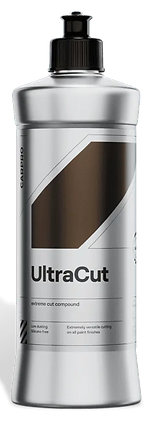
Removal of deeper defects using cutting compounds
-
Controlled machine movement and pressure

_edited.png)
Products used for this Phase:
_edited.png)
OR
5. Refining / Polishing:
-
Eliminate haze and micro-marring
-
Enhance gloss and paint clarity
Products used for this Phase:

_edited.png)
6. Finishing:
-
Final polish to achieve maximum shine
-
Surface inspection under proper lighting
Products used for this Phase:

OR
_edited.png)
7. Paint Preparation:
-
Remove polishing oils
-
Prepare surface for protection (ceramic coating, sealant, or PPF)

4. What Is C.Coating?

Ceramic coating is a professional paint protection system based on SiO₂ (silicon dioxide) technology that chemically bonds to the vehicle’s clear coat. It creates a durable, hydrophobic, and protective layer that enhances gloss while protecting the paint from environmental damage.
Ceramic coating is not wax — it is a long-term protection solution that requires precise application and proper surface preparation.
Why
Is
C.Coating Important?
.png)
-
Protects paint from UV rays, oxidation, and fading
-
Provides strong hydrophobic and self-cleaning properties
-
Reduces dirt adhesion and simplifies maintenance
-
Enhances gloss, depth, and paint clarity
-
Preserves vehicle value and original paintwork
Incorrect application can lead to high spots, streaking, and coating failure, making professional training essential.
Ceramic Coating Training – Process & Steps
1. Surface Preparation:
-
Thorough washing and decontamination
-
Paint correction to remove defects
-
Final panel wipe to remove oils
2. Environment Control:
-
Proper lighting, temperature, and humidity
-
Dust-free working area
3. Coating Application:
-
Correct product handling and applicator usage
-
Section-by-section application
-
Controlled leveling and curing time
4. Inspection & Leveling:
-
Detection and removal of high spots
-
Proper microfiber and lighting techniques
5. Curing Process:
-
Initial curing and post-application care
-
Understanding full cure timelines
6. Aftercare & Maintenance:
-
Safe washing methods
-
Coating maintenance and booster usage
5. What Is
PPF?
.png)
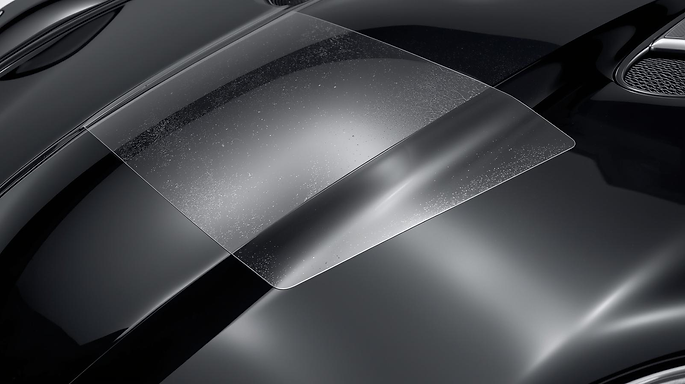
Paint Protection Film (PPF) is a transparent, high-performance polyurethane film applied to vehicle paint to protect it from stone chips, scratches, road debris, insect stains, and environmental damage. Modern PPF features self-healing properties, UV resistance, and long-term durability while maintaining the vehicle’s original appearance.
PPF is a physical protection system, not a coating or cosmetic product.
Why
Is
PPF Important?
.png)
-
Protects paint from stone chips and road impact
-
Prevents scratches, swirl marks, and surface damage
-
Preserves original factory paint
-
Enhances resale value
-
Offers self-healing and UV protection
-
Ideal for high-impact areas and premium vehicles
Incorrect installation can cause lifting, visible edges, or trapped contaminants, making professional training essential.
PPF Training
Process & Steps
1. Vehicle Preparation:
-
Thorough exterior wash and decontamination
-
Paint correction if required
-
Final surface cleaning and inspection
Products used for this Phase:
2. Surface Preparation:
-
Panel wipe to remove oils and residues
-
Dust-free and controlled working environment
Products used for this Phase:
3. Film Preparation:
-
Measuring and cutting PPF (pre-cut or bulk)
-
Understanding film orientation and stretch limits

Products used for this Phase:
_edited.png)
4. Application:
-
Use of slip and tack solutions
-
Correct positioning and alignment
-
Controlled stretching and placement
Products used for this Phase:

5. Squeegee & Edge Work:
-
Removal of air and solution
-
Secure edge wrapping and finishing
-
Avoiding tension and lift points
Products used for this Phase:
_edited.png)
6. Inspection & Finishing:
-
Final inspection under proper lighting
-
Correction of bubbles or imperfections
6. What Is
Glass
Protection?
.png)
Glass protection is the professional process of cleaning, polishing, and applying a hydrophobic coating to vehicle glass surfaces. The coating chemically bonds to the glass, creating a smooth, water-repellent layer that improves visibility, safety, and durability in all weather conditions.
Glass protection is a functional safety treatment, not just a cosmetic enhancement.
Why Is
Glass Protection Important?
%20protecting%20the%20windsheild%20of%20a%20slr%20merce.jpg)
-
Improves visibility during rain and bad weather
-
Repels water, dirt, and road contamination
-
Reduces wiper usage and glass wear
-
Makes glass easier to clean and maintain
-
Enhances driving safety and comfort
Incorrect preparation or application reduces coating performance, making professional training essential.
Glass Protection Training Process & Steps
1. Glass Cleaning:
-
Removal of dirt, oils, and traffic film
-
Preparation of the surface for decontamination
Products used for this Phase:

2. Decontamination:
-
Removal of mineral deposits and bonded contaminants
-
Restores glass smoothness and clarity
Products used for this Phase:

3. Glass Polishing:
-
Mechanical polishing to eliminate water spots and haze
-
Ensures proper bonding of the coating
Products used for this Phase:


4. Surface Preparation:
-
Final cleaning and degreasing
-
Creates a residue-free surface
Products used for this Phase:

5. Glass Coating Application:
-
Controlled application of hydrophobic coating
-
Proper leveling and coverage
Products used for this Phase:
_edited.png)
6. Inspection & Curing:
-
Inspection under proper lighting
-
Correct curing time and conditions